The ideas and craft behind everything we build
591 million gamers, the world's #2 mobile market, a real-money-gaming ban that reset the board, and capital flooding in. Why the next great games company might be Indian.
The group chat sends a meme. What if you could play it? Riff turns any sentence into a real, playable game in seconds — and it might be a genuinely new kind of social platform.
Blocks, then code, now words. A clear-eyed look at where AI game generation actually is in 2026 — what's real, what's hype, and why the creation primitive is changing.
For thirty years, cricket games meant one person controlling both teams. Gods of Cricket makes every player on the pitch a real human — and the timing has never been better.
Football, hockey, basketball and even car-soccer all codified a 'be one player on a human team' mode 15 years ago. It became their stickiest pillar. One giant sport was left out.
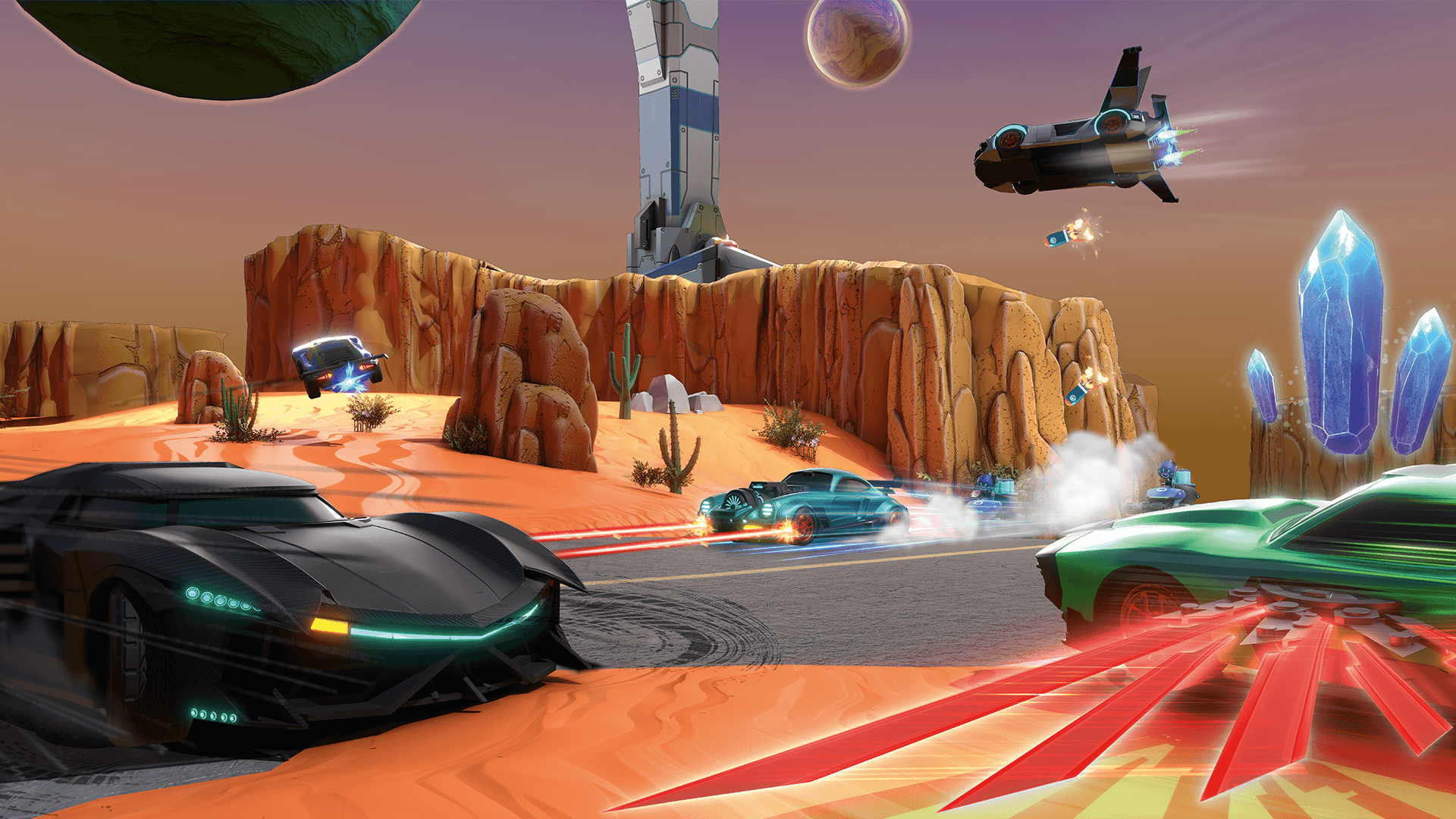
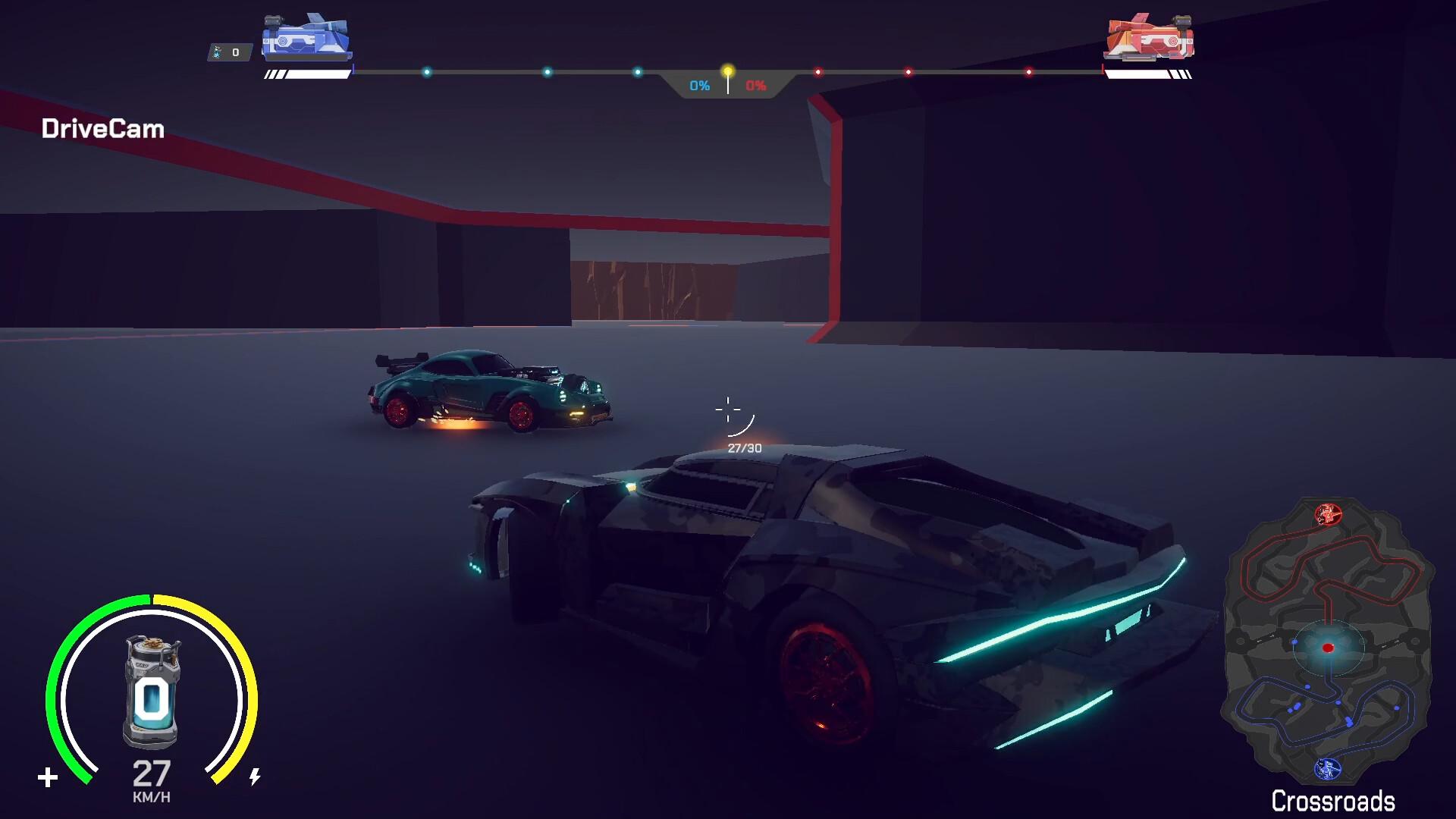
Most vehicle games are about the car. Project Ignition is about the objective — and three decades of design history explain why that single decision changes everything.
Backend-as-a-service is the least glamorous, most decisive layer in games today. A field guide to what it is, why hyperscalers keep failing at it, and why it decides who ships.
Every Dirtcube project starts as a playable prototype. If the team can't stop playtesting it, we greenlight it. If they can, we kill it. Here's the method behind the madness.
Every game needs a backend, and every studio rebuilds the same plumbing — at a cost of tens of millions and years of time. So we built it once, and made it a product.
We started Dirtcube to break a stereotype: that India is where you outsource work, not where you invent it. Here's the studio — and the country — we're betting on.